
Send one request and you're done looking
Is a cold-climate heat pump worth it in Rhode Island
A cold-climate heat pump has to earn its keep in a state where most homes still heat with gas and electric rates run high. This page gets into how that math actually works out here, through a sticky Rhode Island summer and a cold snap in January. Send the form and skip the search for who can look at your setup.
Hand it offA cold-climate heat pump is worth it in Rhode Island if it's sized and installed to keep working through a January cold snap, because the ones that struggle here are usually undersized or set up for a milder climate than this one. A true cold-climate model keeps pulling heat out of outdoor air well below freezing, so it can carry your home through the coldest nights instead of handing off to backup heat strips that run up your bill. Since most homes here heat with gas, swapping to one means checking whether the ductwork and electrical setup can support it, and whether it's worth keeping the furnace as backup for the harshest stretches. Come summer, the same system cools your home through the sticky months, which a gas furnace never did for you. Whether it pays off depends on your house, your current setup, and how it's installed, not just the equipment itself.
Power costs 29.48 cents per kilowatt-hour statewide
At 29.48 cents per kilowatt-hour, every degree your heat pump has to make up costs more here than almost anywhere else. That's what makes sizing and installation matter so much: a unit working harder than it should pushes that rate straight into your bill all winter.
EIA-861 2025 statewide residential average




How does a cold-climate heat pump keep up when it's actually freezing out?
You've got a heat pump now, and you've heard they can struggle once it gets genuinely cold, not just chilly. Rhode Island gets real cold snaps in January, the kind where the air outside feels like it has nothing left to give. You're not asking whether heat pumps work here in general. You want to know what's actually happening inside the unit when it's 15 degrees outside and your house still needs heat.
It pulls heat from the outdoor air down to very low temperatures, then uses a backup to cover the rest
A cold-climate heat pump has a compressor built to keep extracting heat from outside air even as that air gets close to zero. It does this by running the refrigerant through a different cycle than a standard unit, one designed to still pull a usable amount of heat out of cold air instead of stalling out. As the temperature keeps dropping, the unit has to work harder to get the same output, and at some point the system brings in backup heat, usually electric resistance strips, to cover what the compressor can't. A correctly sized system handles most of a Rhode Island winter on the heat pump alone, with backup kicking in only on the coldest nights.


Finding a pro stops being your job

Answer a few questions instead of calling shop after shop.
Sending the form costs nothing.



The reversing valve switches, sending refrigerant the opposite direction.
The outdoor coil pulls heat from air that feels too cold to hold any.
A compressor built for low temperatures keeps the refrigerant pressure up.
Backup heat only kicks in if the house still can't keep pace.
Gas Backup or All-Electric Heat
Keep gas as backup
- Your furnace still fires on the coldest nights, so the heat pump only has to cover the mild stretch of winter.
- Your gas bill keeps a baseline cost through January and February, on top of whatever the heat pump pulls at 29.48 cents per kWh.
- A dual fuel setup needs a thermostat or control that knows when to switch over, which adds to what the installer has to get right.
- You keep two systems to maintain instead of one, so a service call on either one is still a call you have to make.
- If the furnace is old, it's still running, which means you're not free of the cost of replacing it eventually.
Go all-electric
- Every winter degree you need comes from the heat pump alone, at Rhode Island's electric rate, with no gas bill behind it.
- A true cold-climate unit sized for a January cold snap can carry the full heating load without backup strip heat doing the work.
- You drop the gas furnace from the house entirely, so there's one system to size right, install right and maintain.
- Summer cooling and winter heating run off the same equipment, which matters here since summers get sticky enough to lean on it hard.
- If the unit is undersized or set up for a milder climate, you feel it on the coldest nights and on the bill both.


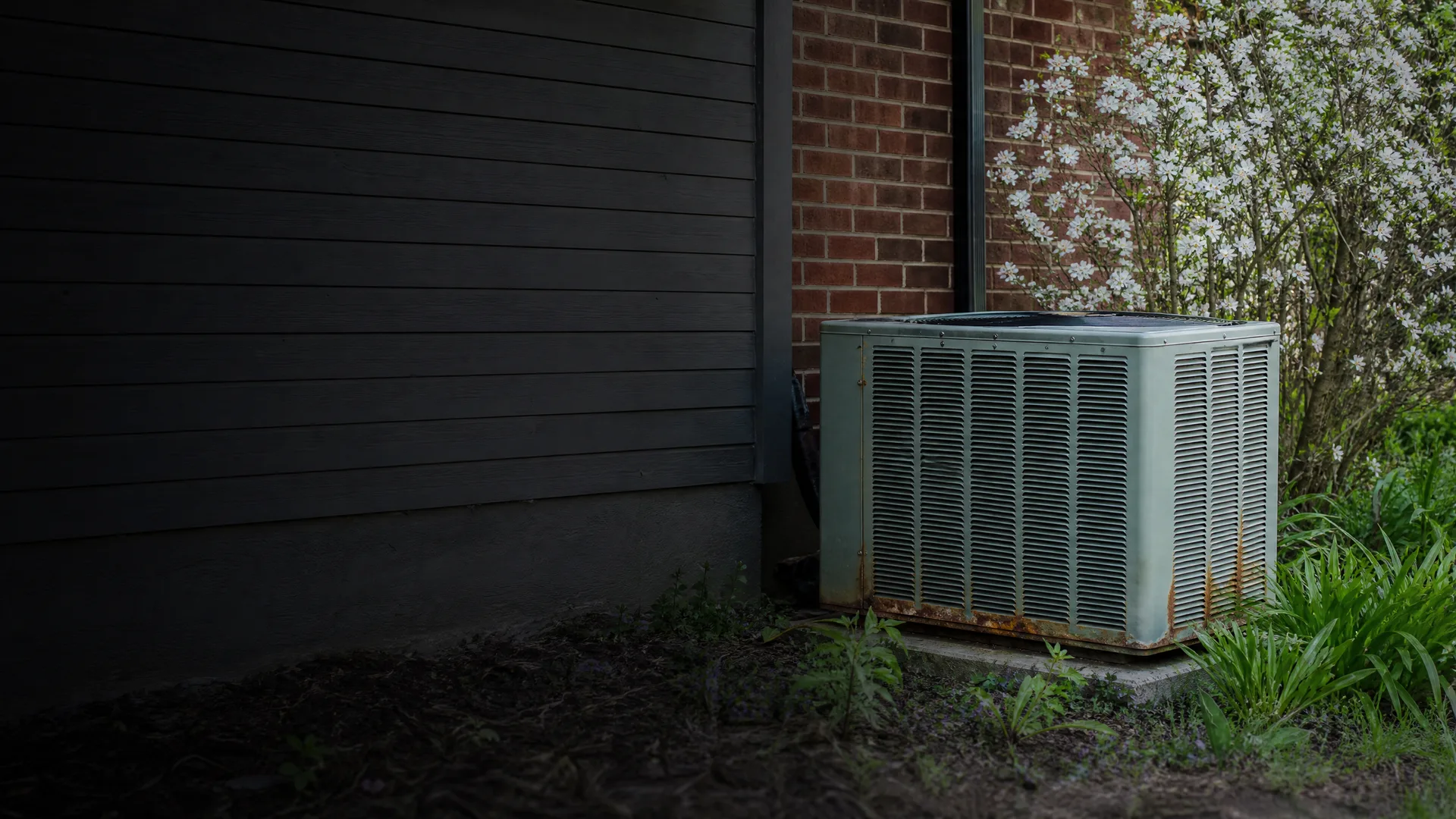
You're out in the side yard in April, coiling up the garden hose, and you catch sight of the outdoor unit sitting against the fence. The rust has worked its way along the base, flaking where the metal meets the ground. It's been there since the last people owned the house. You crouch down and brush a thumb over it, and a little comes off on your skin. The thing still runs. It kept the house warm through January, more or less. But looking at it now, in the plain daylight, you start doing the math on how many more winters it has in it before a cold snap finds the part that finally gives out.

Where that leaves you
A cold-climate heat pump is worth it in Rhode Island when it's sized for a real January, not a mild one, and installed by someone who sets it up that way from the start. Get that right and it earns its keep through the sticky months and the cold snaps both. Get it wrong and you're paying 29.48 cents a kilowatt-hour for a unit that's working harder than it should.
You could spend your evenings calling around, explaining the same thing to every contractor who picks up, then sitting with three quotes trying to guess which one actually knows cold-climate systems. Send the form instead and that part of it is off your plate. Someone who installs these for a living takes it from here.


Let someone else find the pro
Describe your heat pump job once, to one pro.