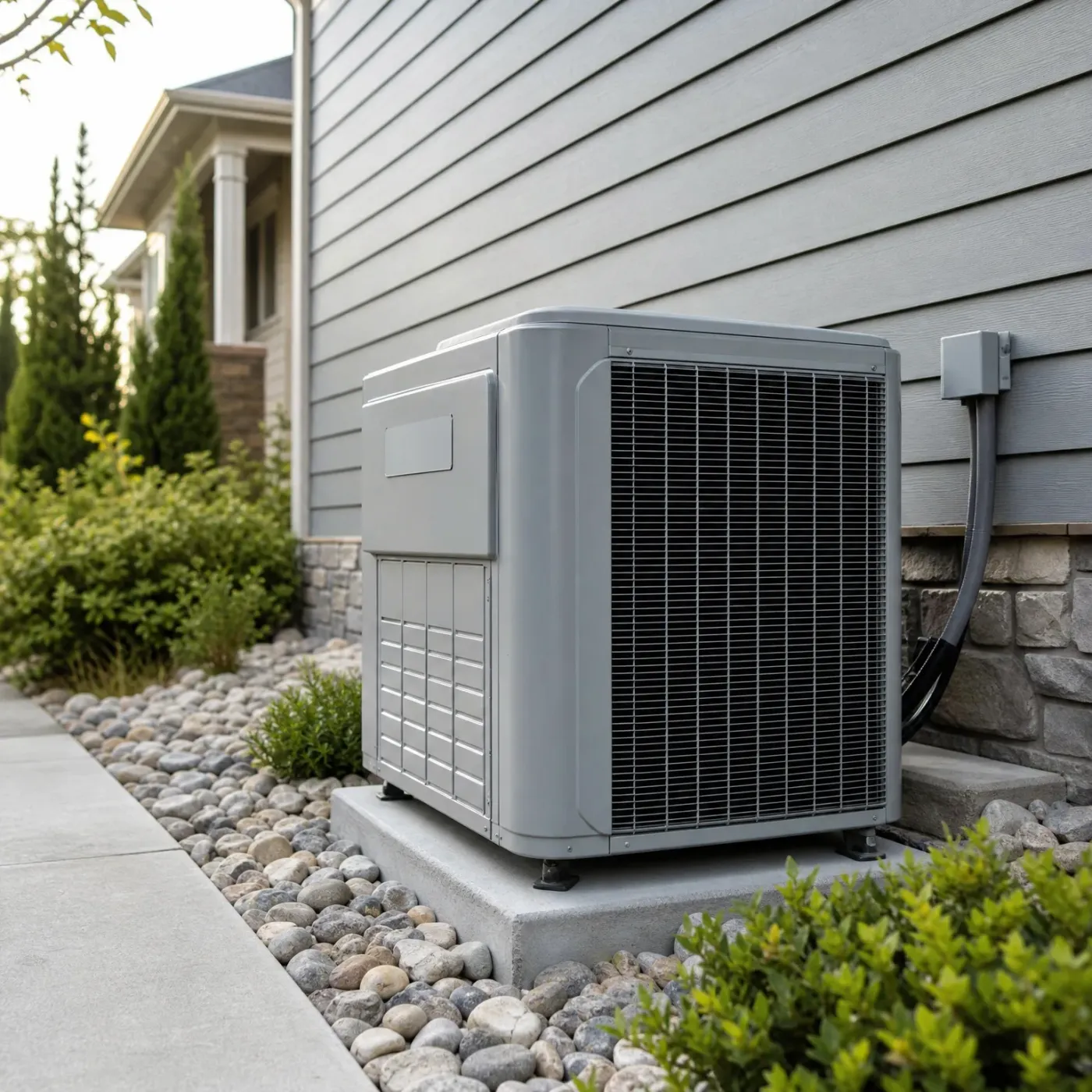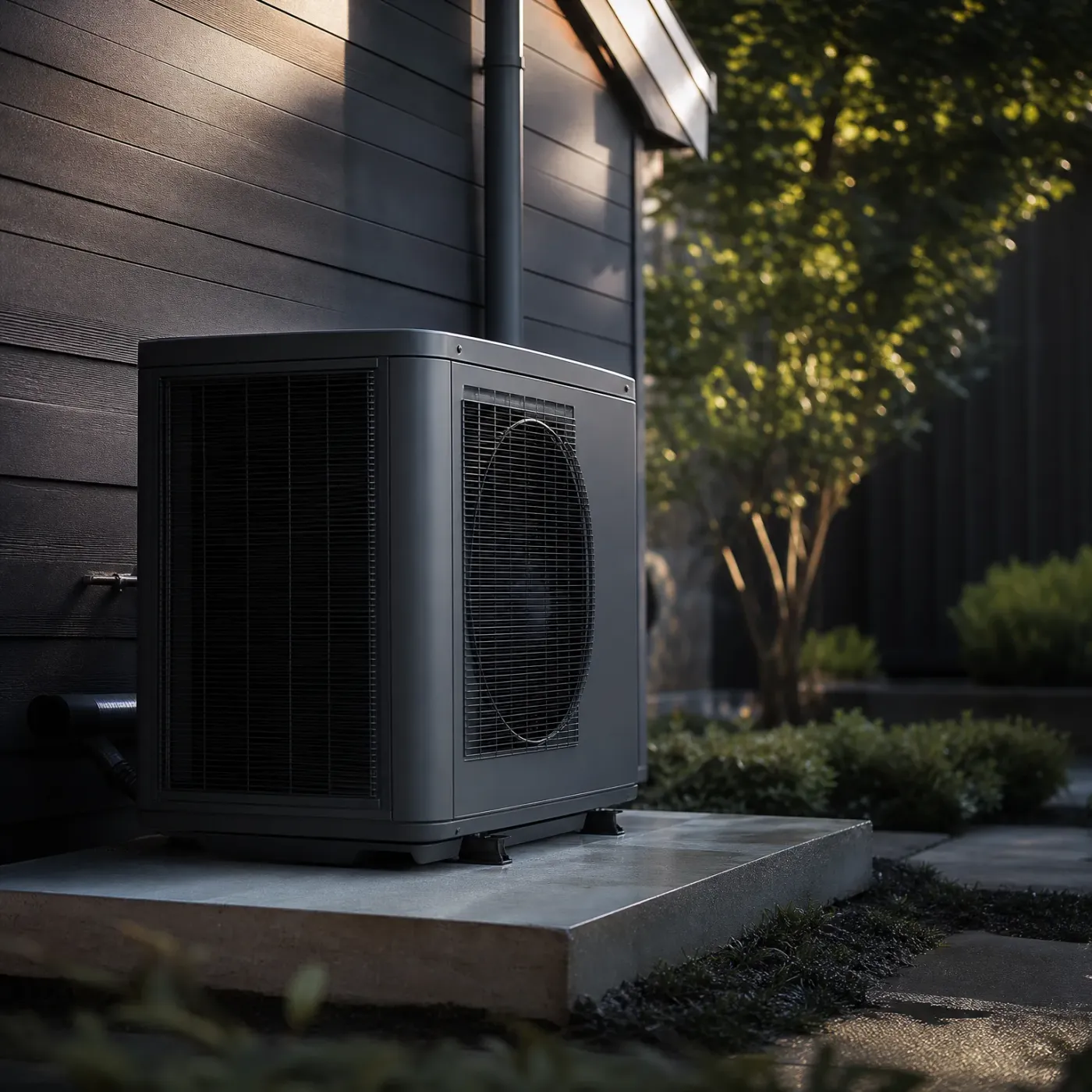

A gray outdoor condenser/heat pump unit with a side fan grille sits on a concrete pad beside a dark horizontal wood-sided house, with shrubs and a small tree nearby.

Matched to your heat pump job

Is a heat pump cheaper to run than gas heat in Rhode Island

Electric rates in Rhode Island run high, and most of your neighbors are heating with gas. So it's fair to wonder if that heat pump is quietly costing you more than a furnace would. The answer depends on the setup in your house, not just the rate on your bill. Answer that below, then get matched with a contractor who can look at your actual system and tell you where you stand.

Request a pro

Usually not, if your electric rate is as high as it is across Rhode Island. A heat pump moves heat instead of burning gas to make it, so it uses less energy for the same warmth. But the math depends on which costs more where you live, electricity or gas, and Rhode Island's electric rates are some of the highest in the country. That narrows the gap and can erase it on the coldest nights, when a heat pump has to work harder and pulls more power to keep up. A furnace burning gas doesn't lose ground that way in a January cold snap. If your heat pump is old or undersized for the house, it may be leaning on backup electric heat more than you think, and that's where the bill climbs. The equipment itself, and whether it's sized right for your home, matters as much as which fuel you're comparing.

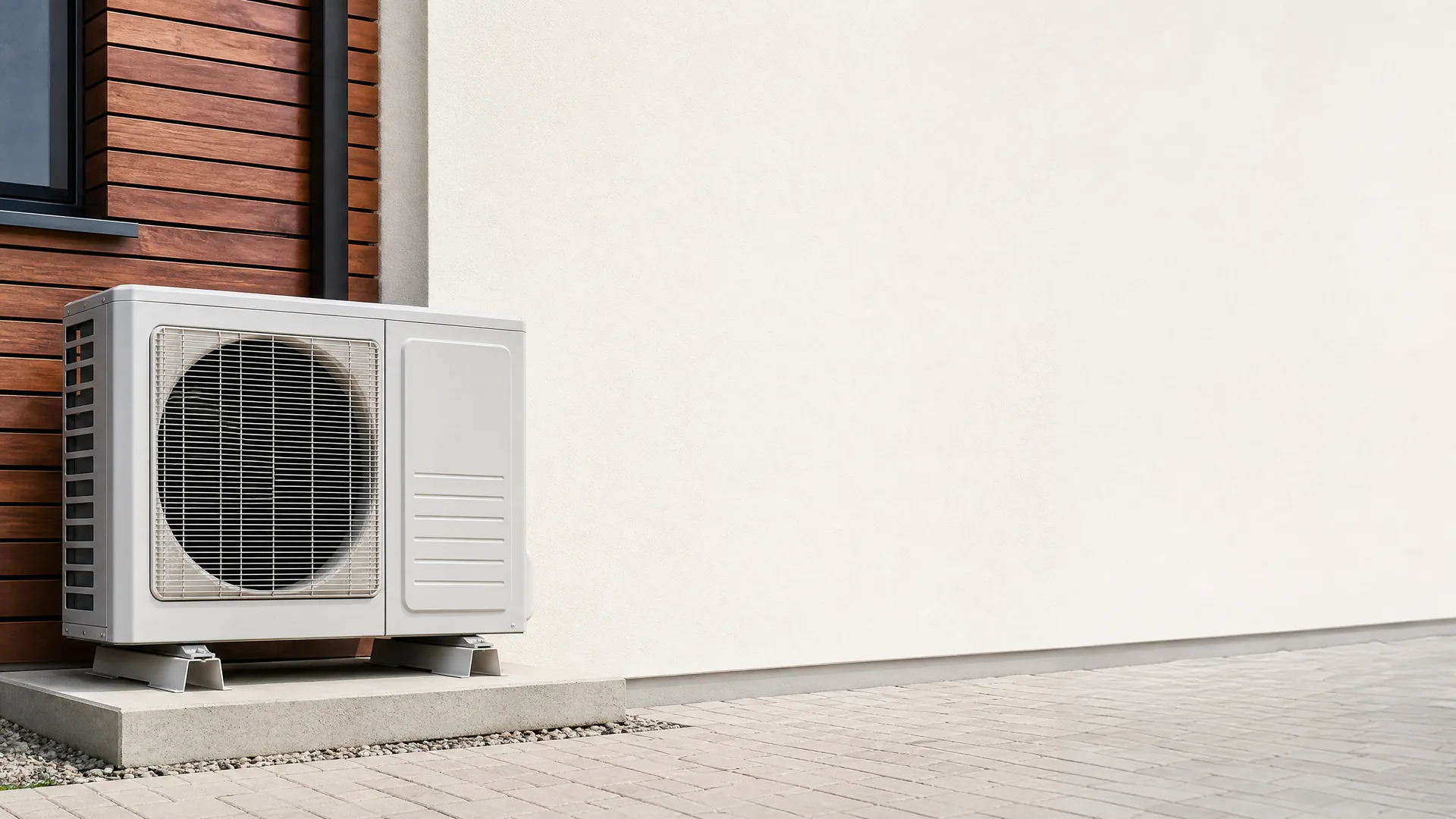
A white outdoor heat pump unit on a concrete pad beside a house with wood-slat siding and a large plain light-colored stucco wall, with paving stones in the foreground.

What a heat pump actually does

A furnace burns gas to make heat. A heat pump moves heat that already exists in the outside air into your house. That difference is why it can run on less energy even with Rhode Island's electric rates working against it. On a 35 degree day there's still plenty of heat in that air for the unit to pull in. It takes work to move it, but less work than it takes to create heat from nothing, which is what a furnace is doing every time it fires.

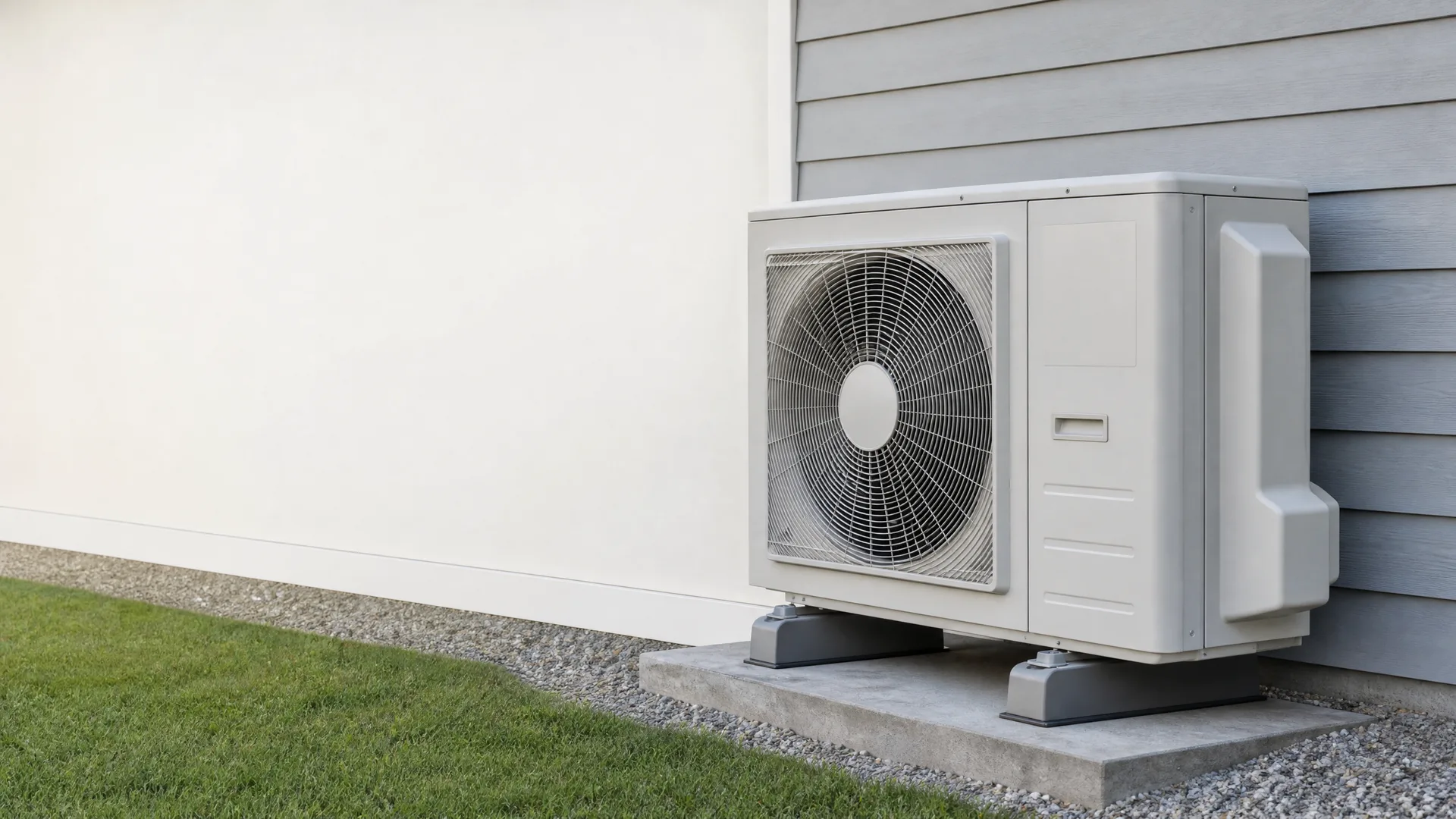
A white outdoor heat pump unit on rubber feet sits on a concrete pad beside a gray-sided house wall, next to a smooth light wall, gravel strip and lawn.

Where the comparison breaks down

A heat pump loses ground as the temperature drops, and on the coldest nights here, it has to work harder to pull the same warmth out of colder air. Some systems switch to electric resistance backup on those nights, and that backup runs on straight electric heat, no different from a space heater. If your setup leans on backup heat often during a Rhode Island January, that's where the electric bill can catch up to what gas would have cost you.

Heat Pump or Gas Furnace in Rhode Island

Heat pump

  • Moves heat instead of burning fuel, so it can still come out ahead on your bill even at Rhode Island's electric rates.
  • Loses efficiency as the outside temperature drops, so a cold snap in January costs more to heat through than a mild stretch in November.
  • Some models lean on electric resistance backup once it's cold enough, and that backup runs on straight electricity with none of the heat pump's usual advantage.
  • Covers your summer cooling with the same equipment, so you're not paying to run and maintain a separate AC system.
  • Keeping your filter clean and the outdoor unit clear of leaves and ice matters more here, since a struggling heat pump loses ground on cost fast.

Gas furnace

  • Burns gas to make heat directly, and gas in Rhode Island has stayed cheaper per unit of heat than electricity most winters.
  • Holds its output steady no matter how cold it gets outside, so a hard freeze doesn't change what it costs to run the same way it does a heat pump.
  • Needs a separate central air system or window units to cover the summer, which is its own cost a heat pump owner skips.
  • Only heats, so once summer comes the furnace sits idle while something else does the cooling.
  • Depends on a gas line already running to your house, which most Rhode Island homes have but not all of them.
A gray outdoor condenser unit on a concrete pad beside a house with horizontal lap siding, with a wall-mounted disconnect box, conduit and insulated refrigerant lines, a shrub at left and gravel at right.

Running the way it should

A heat pump in good shape holds its efficiency down into the 30s and 40s, which covers a lot of a Rhode Island winter. The electrical connections stay tight, the refrigerant charge stays correct, and it keeps pulling more heat out of the air than the power it uses would otherwise buy you from a furnace.


An outdoor condenser unit on a concrete pad beside a horizontal-sided house, with insulated refrigerant lines running to a wall-mounted box, surrounded by bare dirt.

Losing the advantage

An older unit with worn wiring or a weak charge has to work harder for the same heat, and that extra draw is what erases the savings over gas. Once a heat pump is costing more to run than it should, a Rhode Island electric bill will show it before anything else does.

An outdoor air conditioner condenser unit on a concrete pad beside a house with horizontal siding above a concrete block foundation, with insulated refrigerant lines and a vertical white pipe on the wall.
Before you get your heat pump installation
A gray outdoor condenser unit sits on a concrete pad against a house wall with horizontal siding above a stone veneer base, with an electrical disconnect box and conduit on the wall and a leafy shrub in mulch to the left.
After you get your heat pump installation
A gray outdoor heat pump unit on a concrete pad beside a house with light gray horizontal lap siding and a stone base, surrounded by river rock and shrubs next to a concrete walkway.

A heat pump pro near you

Send the form and stop researching installers for the new heat pump.

A local installer who puts in heat pumps gets your project.

Hand off my installation

No fee to send it, and nothing to sign.

An older man with gray hair and a beard, wearing a dark coat dusted with snow, stands smiling in a doorway of a warmly lit home with a sofa, lamp and window visible behind him.
An older man with grey hair and a beard, wearing a dark coat dusted with snow, stands in a dimly lit entryway with a ceiling lamp, a side table with two shaded lamps, and a lit fireplace visible in a room beyond.
A bearded older man in a dark snow-dusted coat and scarf stands just inside a home's front door, with a lamp-lit room and snowy window visible behind him.
An older man with gray hair and a beard stands in a doorway of a home, wearing a dark coat dusted with snow, with a lit fireplace and lamp visible in the blurred room behind him.

A heat pump doesn't switch between heating and cooling by swapping parts. A reversing valve changes which way refrigerant flows through the system, and that's the whole difference between the two modes. In winter, the outdoor unit keeps running because refrigerant can still pull heat out of air that feels cold to you, down into the 30s and below. The compressor inside doesn't just click on and off. It adjusts its speed to match how much heat your house is losing through the walls and windows at that moment. The catch is what happens as the temperature drops further. Below a certain point outside, the unit has to draw more current to move the same amount of heat, and that shows up on your bill. Some systems handle the coldest stretches with electric resistance backup, which runs on power rather than gas, and that changes the math too. And in cold, damp weather, frost collects on the outdoor coil, so the system reverses itself for a few minutes every so often to melt it off before it goes back to heating your house.

How a heat pump actually heats

  • A heat pump switches modes by reversing the flow of refrigerant through a valve, not by swapping out any parts.
  • The outdoor unit keeps running in winter because refrigerant can pull heat out of air even when that air feels cold to you.
  • A compressor adjusts its speed to match the heat lost through your walls and windows, rather than just switching on and off.
  • Below a certain outdoor temperature, the unit draws more current to move the same amount of heat, which raises what it costs to run that hour.
  • Many systems add electric resistance backup for the coldest stretches, and that backup runs on power, not gas, which changes the math on your bill.
  • Frost builds on the outdoor coil in cold, damp weather, so the system periodically reverses itself for a few minutes to melt it off before going back to heating.
A gray outdoor condenser unit sits on a concrete pad beside a house with horizontal lap siding, with a wall-mounted disconnect box and refrigerant lines, mulched beds and a shrub nearby, and a concrete walkway in the foreground.
A clean coil and a tight electrical connection keep the unit pulling its full share of heat out of cold air instead of straining for it.
An outdoor air conditioning condenser unit with dusty coils sits on a concrete pad against light horizontal siding, with an electrical disconnect box and refrigerant lines on the wall and a shrub and mulch at left.
Dirt on the coil and corrosion at the connections make the compressor work harder for the same heat, and that shows up on your electric bill.
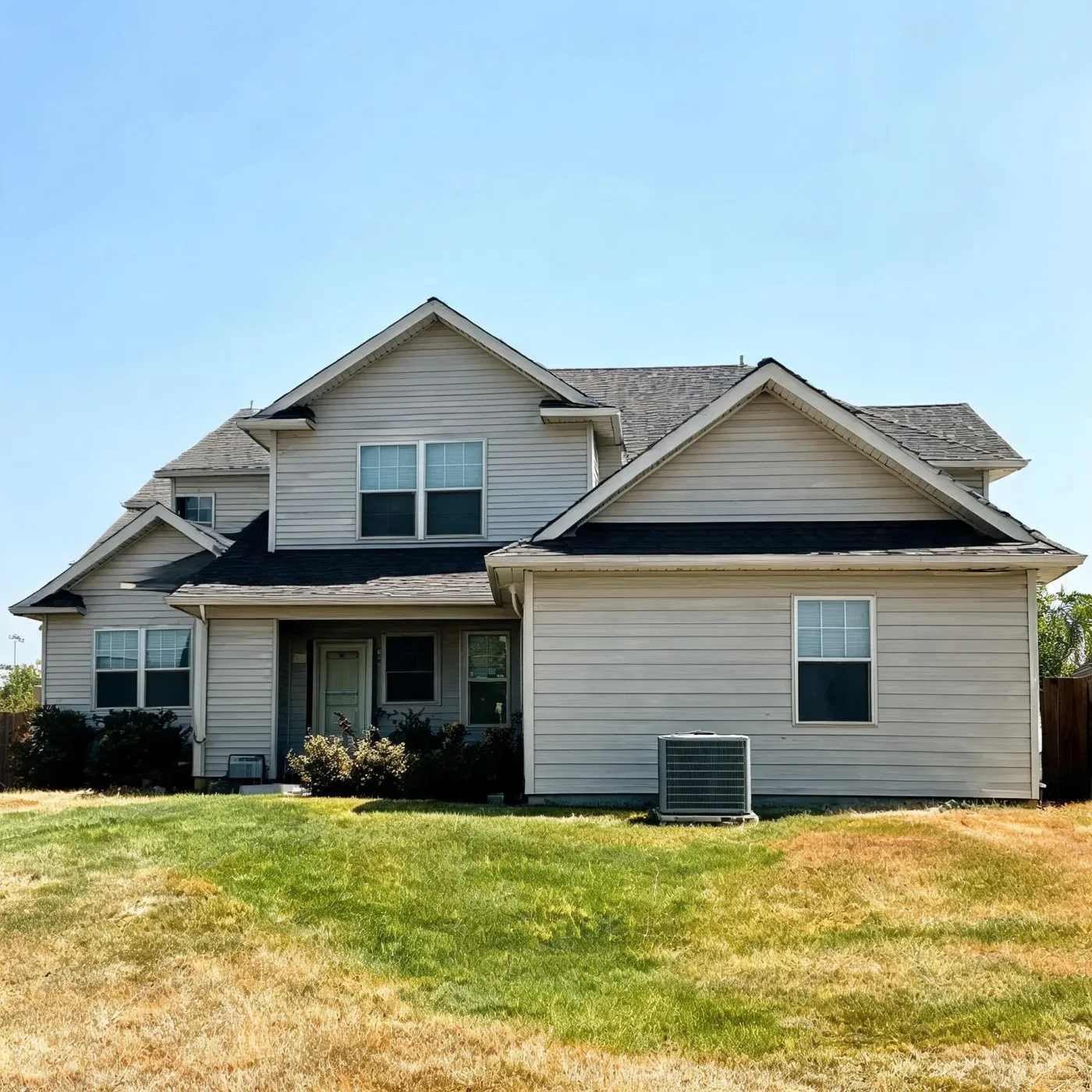
Two-story house with beige horizontal siding, gray shingled gable roofs and a covered front entry, with an outdoor air conditioning unit beside it and a partly dry grass lawn in front under a clear blue sky.

Summer air in Rhode Island sits at a dew point around 61°F on average across June, July and August, according to NOAA climate data. That's sticky enough to feel heavy the moment you step outside. Your heat pump has to pull that moisture out of the air as it cools your house, not just drop the temperature. That's extra work the compressor doesn't do in a dry heat, and it's why the unit runs longer on a muggy July afternoon than a mild, dry one at the same temperature. A heat pump kept in good shape handles that load without straining. One that's low on refrigerant or has a dirty coil will run longer still, and you'll notice it in how long the house takes to feel comfortable.

NASA POWER T2MDEW county cells weighted by homes

A woman stands in the open black front door of a white-sided house with a dark shingled roof while a man in a navy jacket approaches along the walkway, with lantern wall lights, a potted shrub, and flowering garden beds nearby.

Where that leaves you

A heat pump that's set up right and kept clean will usually beat a gas furnace on your bill, even with Rhode Island's electric rates working against it. It loses some ground in a hard January cold snap. For most of the winter, it comes out ahead.

Whether yours is doing that today depends on how it was sized and installed in your house, not on the brand name on the unit. If you're not sure where yours stands, you can get matched with a contractor who looks at your specific setup and reaches out to go over it with you. No need to chase that down on your own.

A gray upholstered sofa with a beige cushion and knit blanket beside a curtained window, with a white mug and a book on a dark wooden table in the foreground and a lit lamp in the background.
A woman wrapped in a cream textured blanket sits in an armchair beside a lit lamp and a dark window, with an open book in the foreground.
A bearded man in a plaid flannel shirt stands indoors looking out a frost-covered window, with a steaming dark blue mug on the wooden sill and snow-covered trees outside.

Heat Pump Installation

A local pro for your heat pump installation

After you send the request, you're done searching.

A black-framed smartphone standing upright against a plain white background, its screen filled with solid green.
Step 1 of 3: Equipment