Tell us about the job
Takes about a minute. No obligation.
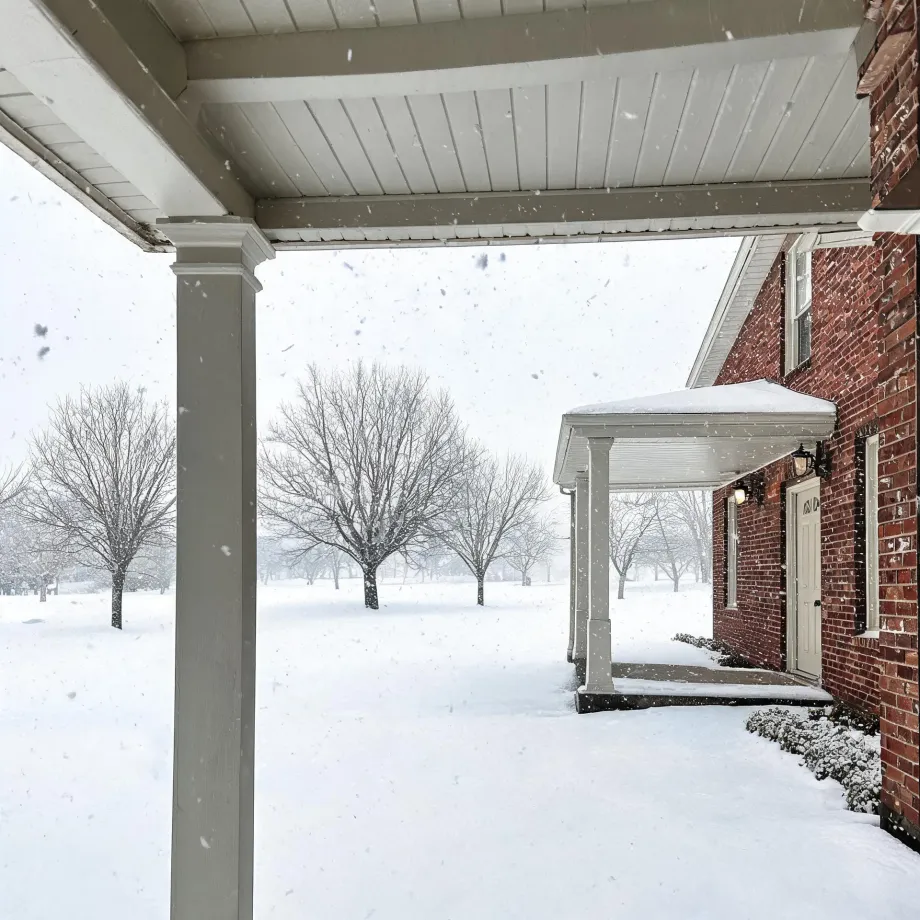
A contractor quoting a heat pump installation in Bristol County has to work out two things before settling on a size: how cold it gets here, and how long the heating load actually runs. Homes in Bristol County, RI run heat about eight months a year, from October through May. A heat pump loses capacity as outdoor temperatures fall, so a unit that handles a mild October morning may struggle through a February night. That gap between rated output and real-world demand is where sizing errors hide, and a long heating season gives those errors nowhere to go. The installer also has to decide whether back-up resistance heat is warranted, and that answer belongs to this county, not to a manufacturer's generic chart.
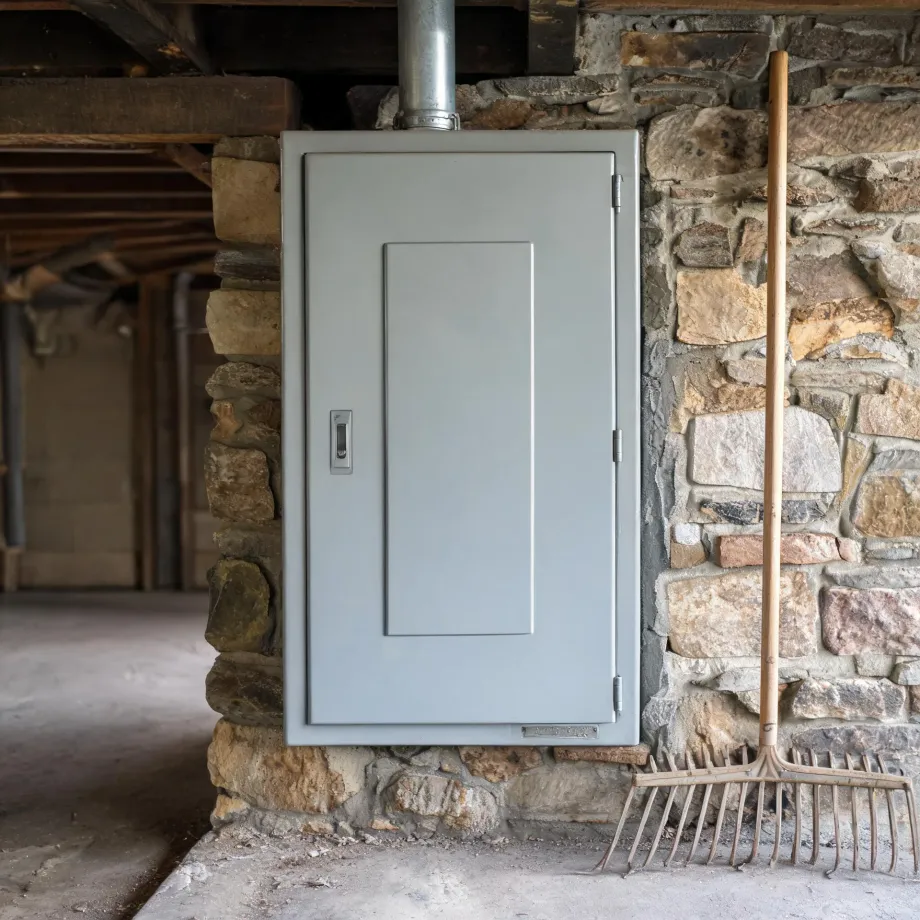
Ductwork laid out for a furnace or a boiler was not designed around the airflow a heat pump needs, and in Bristol County that gap is where most installation decisions actually get made. Half the homes in Bristol County, Rhode Island were built in 1957 or earlier (2020-2024 ACS 5-year). A contractor sizing a heat pump here has to assess what the existing duct system can carry before the equipment choice means much, because a mismatch between the new unit and the old trunk lines means the system underperforms regardless of what is on the nameplate. The electrical service draws a second look for the same reason: panels from that era were not built for the load a heat pump puts on them.
What Gets Installed With a New Heat Pump
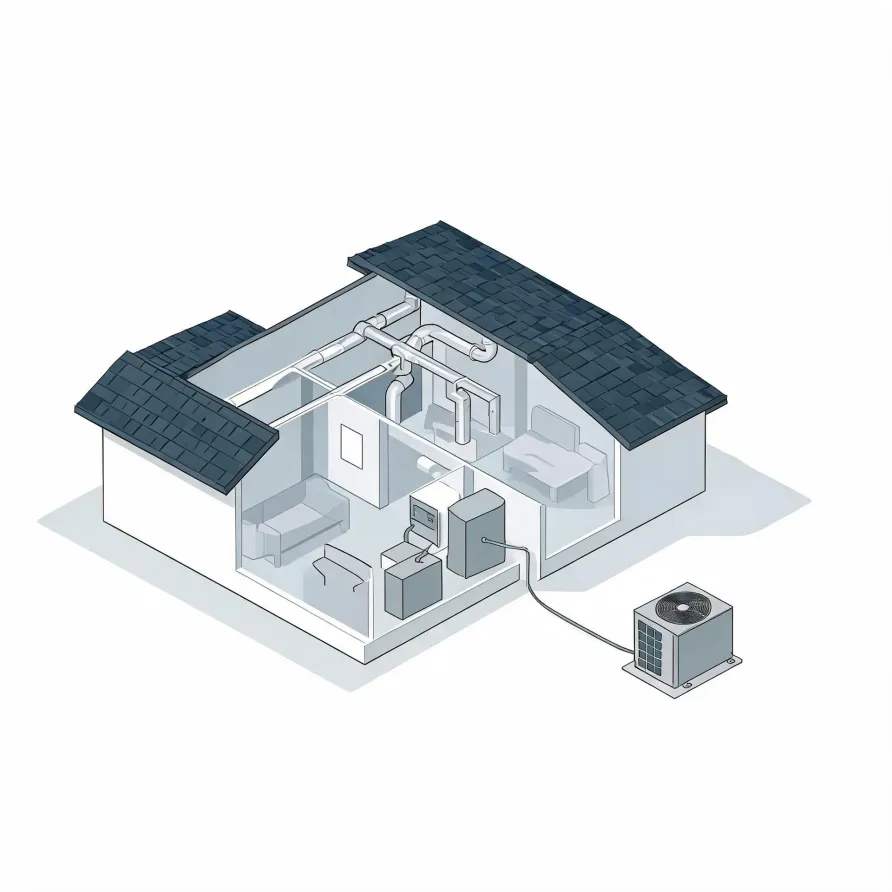
The outdoor unit is the piece a homeowner sees first. It sits on a pad outside the house and holds the compressor and the coil that pulls heat from or releases heat to the outside air. Inside, an air handler mounts in a utility space, basement, or closet and moves conditioned air through the home.
A refrigerant line set runs between the outdoor unit and the air handler, carrying the refrigerant that connects the two sides of the system. A thermostat goes on an interior wall where it reads the temperature of the living space and tells the system when to run.
The drawing shows the general layout of these components, and a licensed contractor determines exactly how each one applies to your house.
Find a contractor in Bristol CountyBristol County, Rhode Island, by the numbers
55 severe weather events were recorded in Bristol County, Rhode Island between 2015 and 2024.
NOAA National Centers for Environmental Information, Storm Events Database, bulk CSV export, events 2015-01-01 through 2024-12-31.Half the homes in Bristol County, Rhode Island were built in 1957 or earlier (2020-2024 ACS 5-year).
U.S. Census Bureau, 2020-2024 American Community Survey 5-Year EstimatesBristol County, Rhode Island holds 21,615 housing units (2020-2024 ACS 5-year).
U.S. Census Bureau, 2020-2024 American Community Survey 5-Year EstimatesOwners occupy 71.8% of the occupied homes in Bristol County, Rhode Island (2020-2024 ACS 5-year).
U.S. Census Bureau, 2020-2024 American Community Survey 5-Year EstimatesCodes & Standards for Heat Pump Installation in Bristol County, Rhode Island2 sourced rules and standards
Licensing and Legal Requirements in Bristol County, Rhode Island
A Rhode Island master licensee needs no separate sheet metal licence while the air handling equipment is ten (10) tons or less, or the heating equipment does not exceed 250,000 BTUs; above either figure the sheet metal work must be subcontracted to a licensed sheet metal contractor.
Rhode Island requires a licence from the Department of Labor and Training to work in the mechanical trades: nobody may hold themselves out as a master, or advertise that they will install refrigeration and air conditioning or air distribution systems, without one.
Severe Weather Events in Bristol County
Heating and cooling equipment in Bristol County works against whatever the local climate puts on it, and that workload shapes what a heat pump needs to handle year after year. How a system is sized and installed here is a local decision, and local weather is part of the reason.
55 severe weather events, 2015–2024. Source: NOAA National Centers for Environmental Information, Storm Events Database.